
Supreme Court Set to Deliver Key Rulings That Could Reshape Trump's Agenda
The U.S. Supreme Court is expected to issue several closely watched decisions that could have major implications for presidential authority, immigration policy, and election law before the current term concludes.
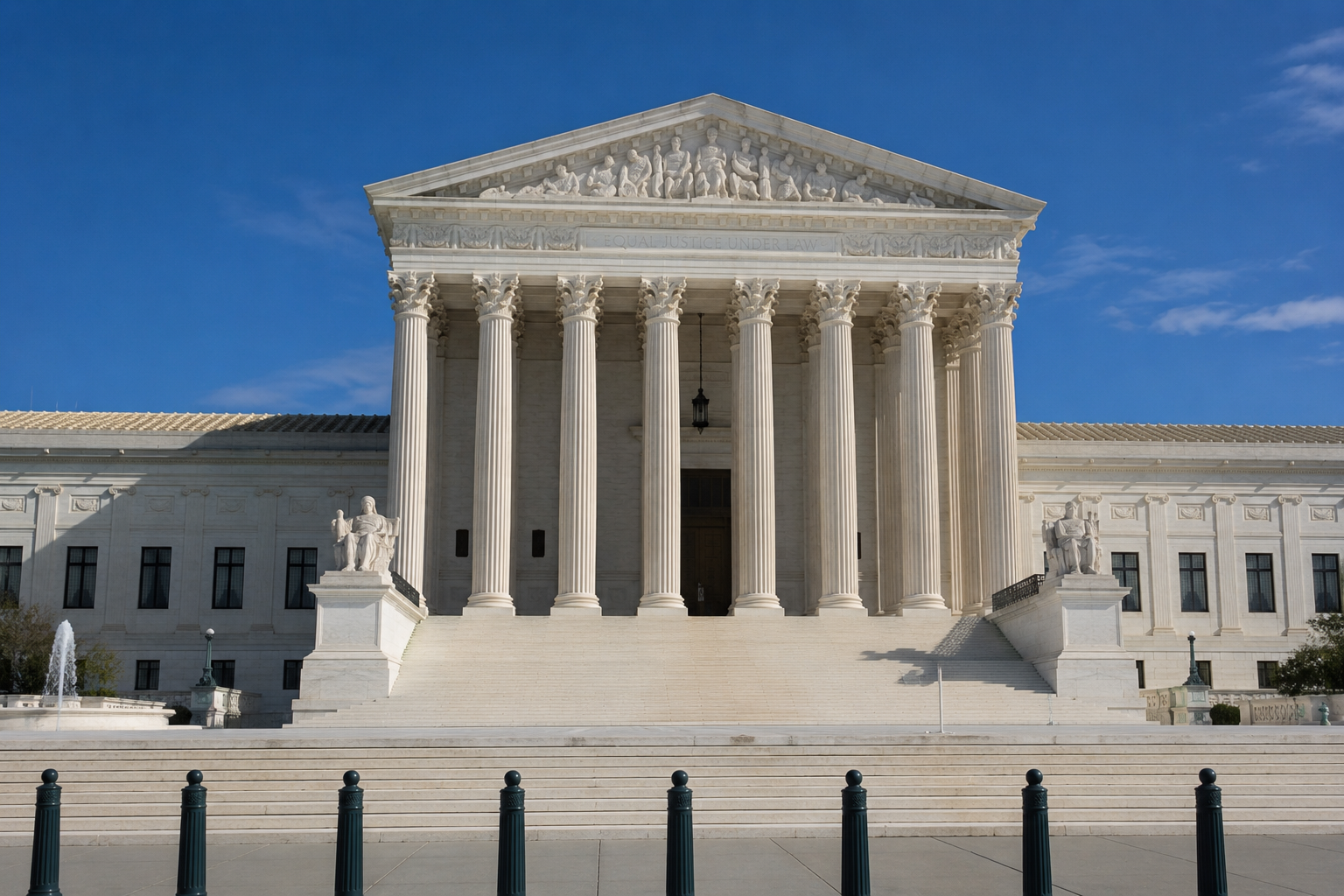
The United States Supreme Court is preparing to release a series of highly anticipated decisions that could influence the direction of the Trump administration and clarify the limits of presidential authority. Among the cases awaiting rulings are legal challenges involving executive powers, including the president's authority to remove leaders of independent federal agencies. The decisions are expected to define how much control future presidents may exercise over agencies created to operate with a degree of political independence. The court is also reviewing a case involving an executive order that seeks to limit automatic birthright citizenship for certain children born in the United States. The outcome could have significant implications for immigration policy and future legal challenges involving executive action. Election-related disputes are also before the justices. One case examines whether states may continue counting mail-in ballots that arrive after Election Day if they were mailed on time, while another addresses rules governing coordinated political spending during election campaigns. Legal analysts say the rulings could shape federal policy for years to come by clarifying constitutional limits on executive authority and the role of federal agencies. The decisions are expected before the Supreme Court concludes its current term. Observers across the political spectrum are closely watching the court's announcements, which may influence future legal disputes involving presidential powers, election administration, and immigration policy.
Related stories
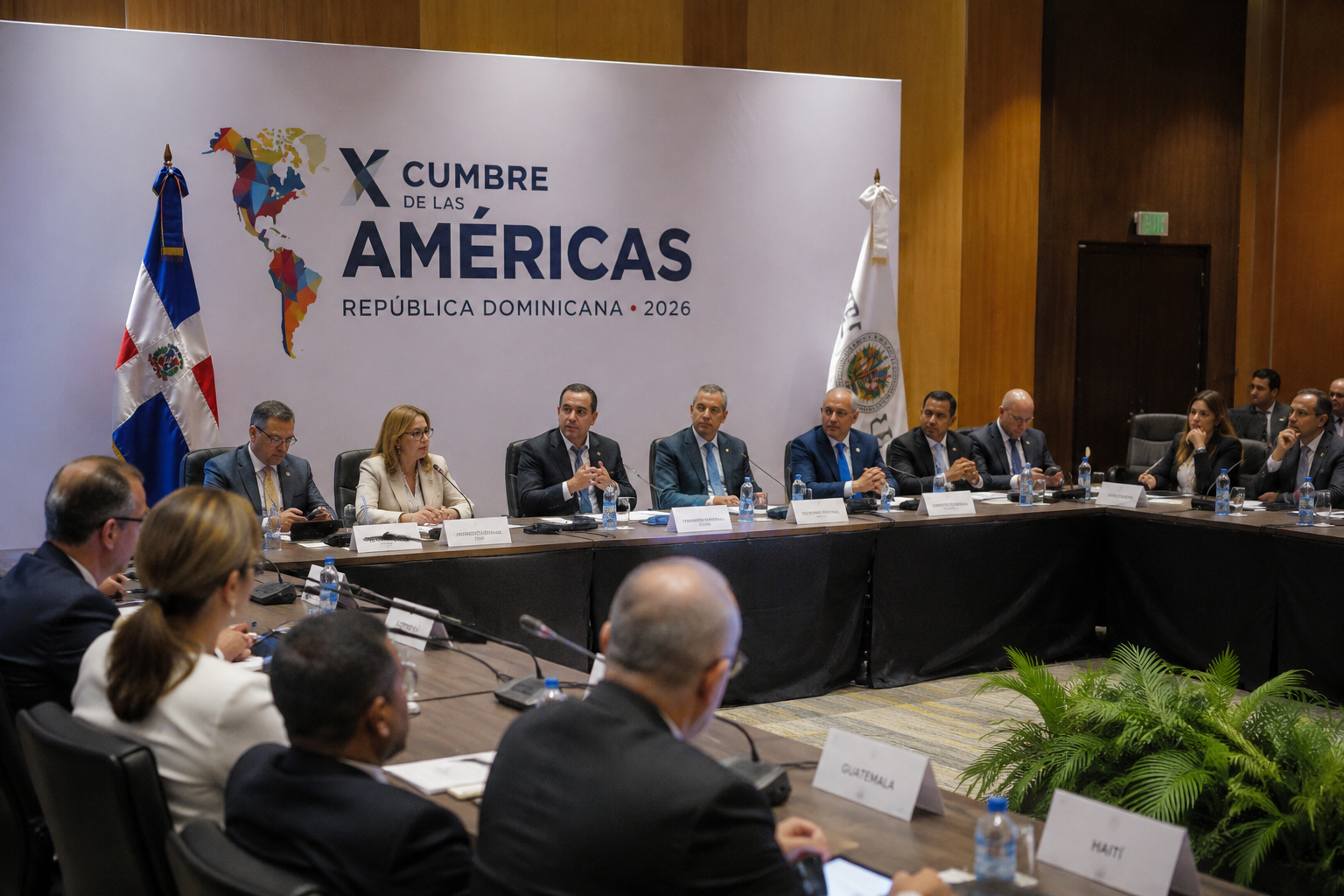
The Dominican Republic continues coordinating preparations for the 10th Summit of the Americas, scheduled to take place in 2026 after the event was postponed from its original timetable
The Dominican Republic is advancing preparations for the 2026 Summit of the Americas as government officials work with regional partners to finalize plans for one of the hemisphere's most important diplomatic gatherings.
June 29, 2026
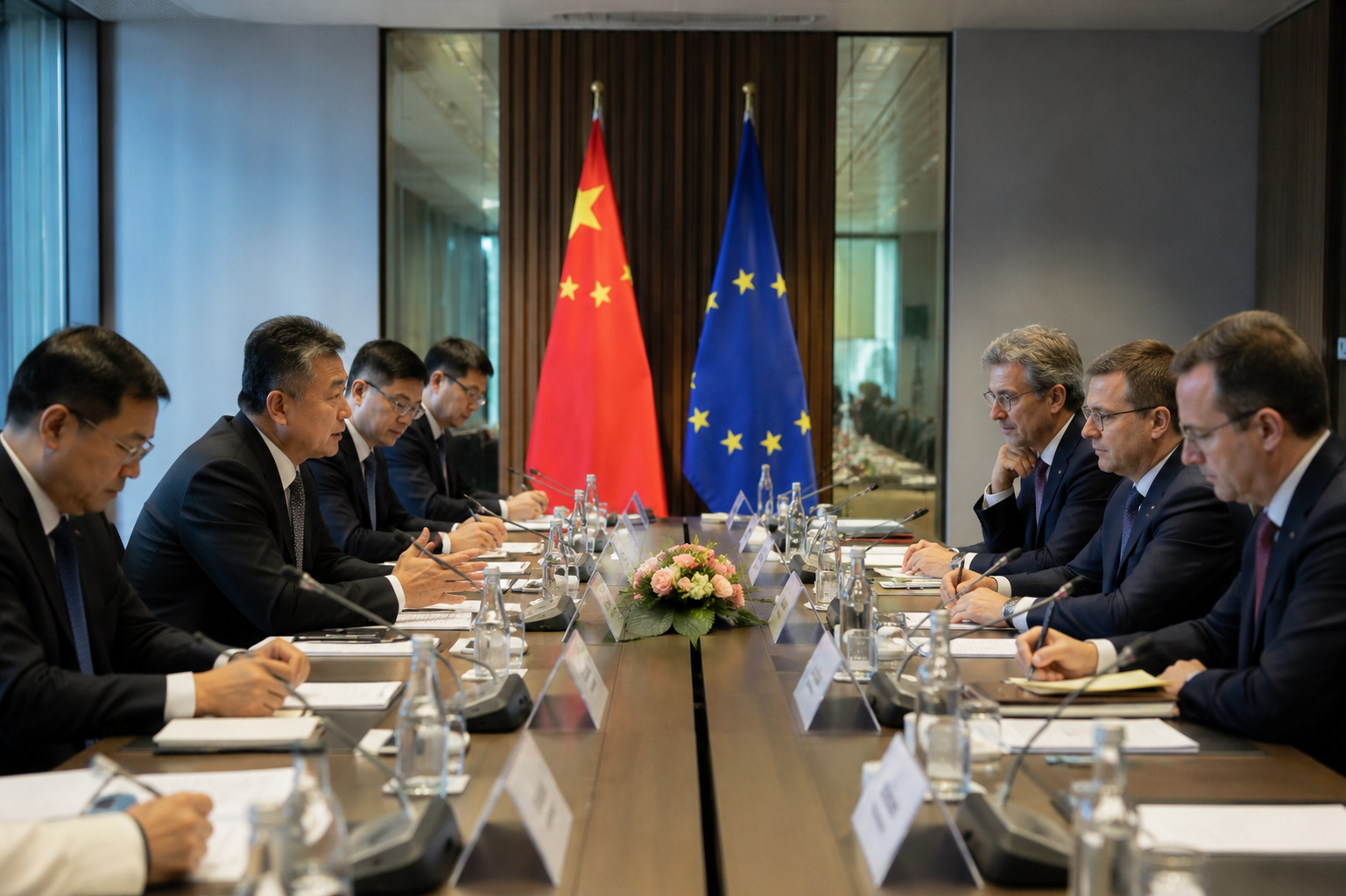
EU and China Hold High-Level Trade Talks as Leaders Seek to Ease Economic Tensions
Senior officials from the European Union and China met in Brussels to discuss trade, tariffs, supply chains, and market access as both sides work to improve economic cooperation despite ongoing disagreements.
June 29, 2026